KONYA
Konya, Turkey's seventh largest city, has been inhabited for at least seven thousand years, with a succession of empires controlling the city's acropolis since Hittite times. Known as Iconium to the Romans and Byzantines, it was the site of preaching by St. Paul and of a very early church council. It then became the capital of the Seljuk Turks during the Medieval era. The city became the adopted home of the Sufi mystic Celaleddin Rumi, the founder of the Whirling Dervish sect who are still based in Konya.
The Mevlana Museum was the original dervish lodge. It contains the tombs of Rumi and other Sufi notables; the ceremonial hall; and displays of manuscripts and memorabilia. It is a place of pilgrimage, though non-Muslims are welcome. A cask said to contain hairs from the beard of Muhammad are displayed in the ceremonial hall. The Mevlana Culture Centre, which is close by to the museum, hosts whirling ceremonies every Saturday night.
There are several other sites of note in Konya. The small Archaeological Museum (Arkeoloji Muzesi) has artifacts from different eras, including some from Catal Hoyuk. The brick Iplikci Camil, located close to the museum and on the edge of the weekday bazaar, is Konya's oldest mosque (1202). It is said that Rumi preached and meditated here.
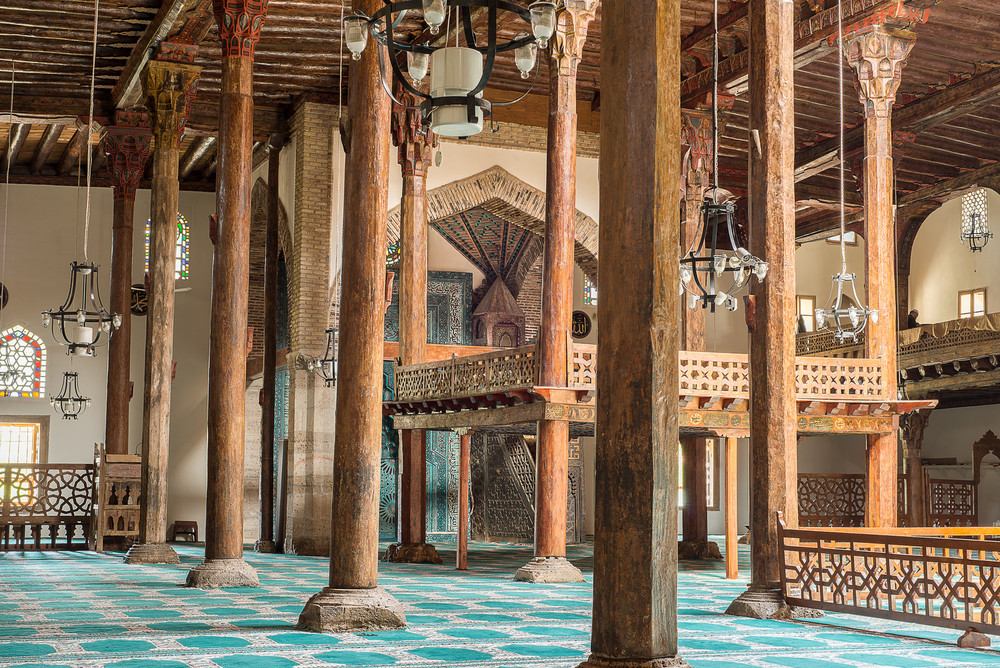
The city makes a convenient base for some day exploring, including to Catal Hoyuk; the ancient site of Kilistra; and the Esrefoglu Camii, a late thirteenth century mosque with 48 wooden interior columns. A guardian will let visitors into the mosque.
Kevin Gould, "Konya, In A Whirl Of Its Own," Guardian, April 10, 2010.
Shrine Of Rumi, Konya -- Places Of Peace And Power:
Konya Museums And Ruins -- Republic Of Turkey Ministry Of Culture And Tourism:
Virtual Tour Of Mevlana Muzesi:
Konya Archaeological Museum -- Wikipedia:
Kilistra -- Turkish Archaeological News:
"Kilistra Takes Visitors To The Past," Hurriyet Daily News, May 5, 2018.
Esrefoglu Mosque -- Turkish Cultural Foundation: